
How To
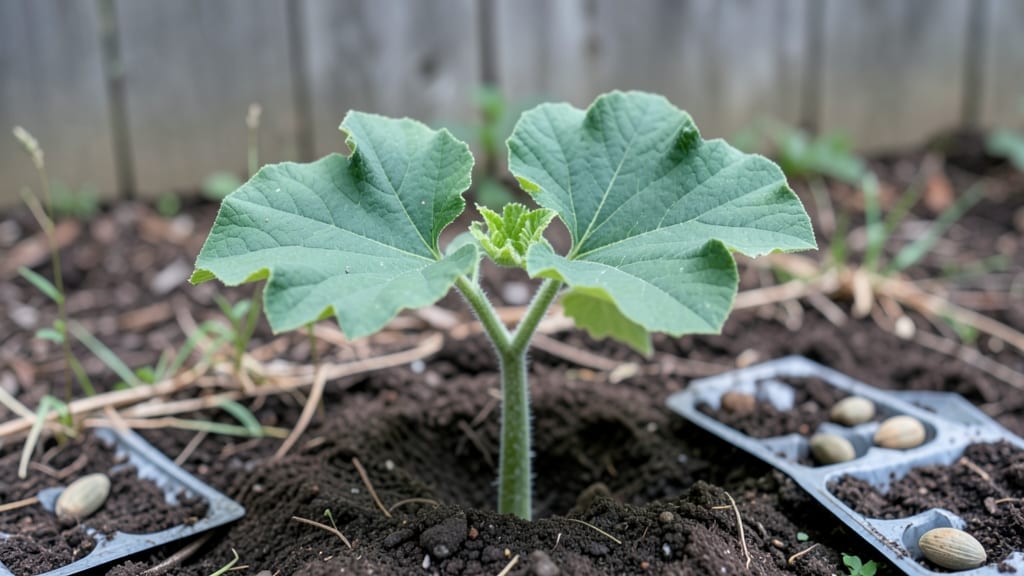
Pumpkin seeds can sprout in just 5-10 days when you nail the right conditions—no waiting months for your 🎃 to rise from the soil.
Waiting for pumpkin seeds to sprout can feel like an eternity—especially when you’re eager to grow your own jack-o'-lanterns or nutritious seeds. But with the right conditions, you can see those first green shoots in as little as 5-10 days instead of weeks.
Most gardeners assume patience is the key, but it’s actually soil warmth, moisture, and a little prep work that make the difference. Too cold? They’ll take three weeks or never break through. Too dry? They’ll shrivel before they sprout. Here’s how to set them up for speedy success.
In this guide, I’ll break down the exact timing you can expect, the one trick that cuts germination in half, and how to troubleshoot when things stall. By the end, you’ll know exactly what to do to turn those seeds into sturdy seedlings in record time.
Pumpkin seed germination timeline: what to expect by day
Understanding the pumpkin seed germination timeline helps you set realistic expectations and troubleshoot delays. From the moment you plant, your seeds will go through distinct stages—each with its own timeframe and visual cues.
The entire process typically takes 5-10 days under ideal conditions, but environmental factors like temperature, moisture, and soil quality can shift this window dramatically. Knowing what to expect by day helps you adjust care and avoid common pitfalls.
Pumpkin seeds are large, hard-coated seeds that require specific conditions to break dormancy. Unlike smaller seeds, they won’t sprout overnight—even with perfect care. The first 24-48 hours are critical for hydration, while the next 3-7 days focus on root development before you see those coveted green shoots.
Let’s break down each phase so you can track progress like a pro.
Pumpkin Seed Germination Timeline
- Day 1-2: Soaking & Hydration – Seeds absorb moisture, coats soften. Visual cue: Seeds appear plump, not shriveled.
- Day 3-4: Root Emergence – Tiny white roots (1/4 inch) break through seed coats. Check soil for slight dampness, not sogginess.
- Day 5-7: Shoot Appearance – First green cotyledons (seed leaves) push through soil. Ideal temp: 70-90°F for fastest sprouting.
- Day 8-10: True Leaves – 2-3 real leaves unfold; vines begin to stretch. Thin seedlings if overcrowded.
- Day 11+: Transplant Ready – Seedlings 3-4 inches tall with sturdy stems. Hardening off begins if moving outdoors.
Temperature is the single biggest factor in how quickly pumpkin seeds sprout. These seeds thrive in warm soil (70-90°F), which is why many gardeners use black plastic mulch or seedling heat mats in cooler climates.
If your soil is below 60°F, germination can stretch to 2-3 weeks—or worse, fail entirely. Always check soil temp with a thermometer before planting, especially in spring or fall when nights are chilly.
Moisture plays a critical but delicate role. Pumpkin seeds need consistent dampness, not soggy conditions. Overwatering suffocates seeds, while dry soil halts germination. Aim for moist but not waterlogged soil—think of a wrung-out sponge.
A spray bottle works best for gentle hydration, especially in containers. If the soil surface dries out between waterings, germination slows dramatically.
Soil quality directly impacts root development speed. Pumpkin seeds prefer loose, well-draining soil with a pH of 6.0-7.0. Heavy clay or compacted soil can strangle young roots, delaying sprouts by 5-7 days.
Mix in compost or coconut coir to improve aeration. If repurposing garden soil, sterilize it first to prevent damping-off disease, which turns sprouts to mush overnight.
Light exposure after sprouting is often overlooked. While seeds germinate in darkness, cotyledons need light to unfold properly. Once you see the first green shoots (Day 5-7), move containers to a bright window or grow light.
Without enough light, seedlings become leggy and weak, stunting growth. A simple south-facing window provides enough intensity for early stages, but supplement with 12-14 hours of LED grow lights for faster, healthier development.
Seed age and viability can halve your success rate. Fresh pumpkin seeds (1 year old) germinate at 90%+ efficiency, while seeds over 2 years old may only sprout 30-50% of the time.
Test viability by filling a glass with water—floating seeds are likely dead, while sinking seeds are worth planting. For older seeds, try a warm water soak (80°F for 24 hours) to jumpstart dormancy.
Companion planting can accelerate germination by up to 2 days. Pair pumpkin seeds with basil or marigolds, which deter pests and improve soil microbial activity. Avoid planting near potatoes or fennel, as they release chemicals that inhibit growth.
If growing in containers, use compost tea to boost beneficial bacteria, which break down seed coats faster and promote root growth.
Patience is key when waiting for those first green shoots. If no progress appears after 10 days, gently dig up a seed to check for rot or mold. Adjust care based on what you find—too wet? Reduce watering. Too cold? Move to a warmer spot.
With the right conditions, you’ll see those tiny emerald leaves breaking through the soil, signaling the start of your pumpkin’s journey from seed to vine.
Once you master this germination timeline, you’ll confidently troubleshoot delays and celebrate faster sprouts. Next, we’ll cover 5 proven methods to cut germination time by half—because who doesn’t want jack-o’-lanterns sooner?
5 Proven methods to speed up pumpkin seed germination in 5-10 days
Pumpkin seeds are notorious for their slow start—often taking 10-14 days to sprout under average conditions. But with these 5 proven techniques, you can slash that waiting time by half and see those first green cotyledons in just 5-10 days.
The key lies in mimicking nature’s ideal conditions while adding a few science-backed shortcuts.
First, understand that moisture, warmth, and oxygen are the holy trinity of seed germination. Pumpkin seeds thrive when soil temperatures hover between 70-90°F (21-32°C)—that’s why spring planting works best. However, if your climate is cooler, you’ll need to boost heat artificially or use pre-soaking tricks to jumpstart the process.
Method 1: Pre-Soaking in Warm Water is the easiest way to kickstart germination. Simply place seeds in a clean cloth or paper towel, dampen with warm (not hot) water, and let them soak for 8-12 hours. This hydrates the seed coat, breaking dormancy and speeding up the radicle growth phase. Pro tip: Use distilled water to avoid chlorine or chemical interference.
Method 2: Heat Treatment works wonders if your soil is cool. Place soaked seeds in a seedling heat mat (set to 80-85°F) for 24-48 hours before planting. Alternatively, use a sunny windowsill or grow light to maintain warmth. Heat accelerates enzyme activity, helping seeds break dormancy 2-3 days faster than standard methods.
Method 3: Optimal Planting Depth is often overlooked but critical. Plant pumpkin seeds 1 inch deep in loose, well-draining soil. Deeper planting slows germination because seeds struggle to push through compacted soil. If using container gardens, mix in perlite or vermiculite to improve aeration and moisture retention.
Method 4: Companion Planting with fast-growing, heat-loving plants like marigolds or nasturtiums can create a microclimate that speeds up germination. These companions attract pollinators, improve soil warmth, and even repel pests that might damage young seedlings. Plus, their shallow roots won’t compete for moisture with your pumpkin seeds.
Method 5: DIY Germination Boosters like cinnamon or hydrogen peroxide can give your seeds an extra edge. Sprinkle a pinch of cinnamon (natural antifungal) around seeds to prevent mold, or soak them in 3% hydrogen peroxide for 10 minutes before planting. Both methods stimulate root growth while protecting against pathogens.