
Lawn
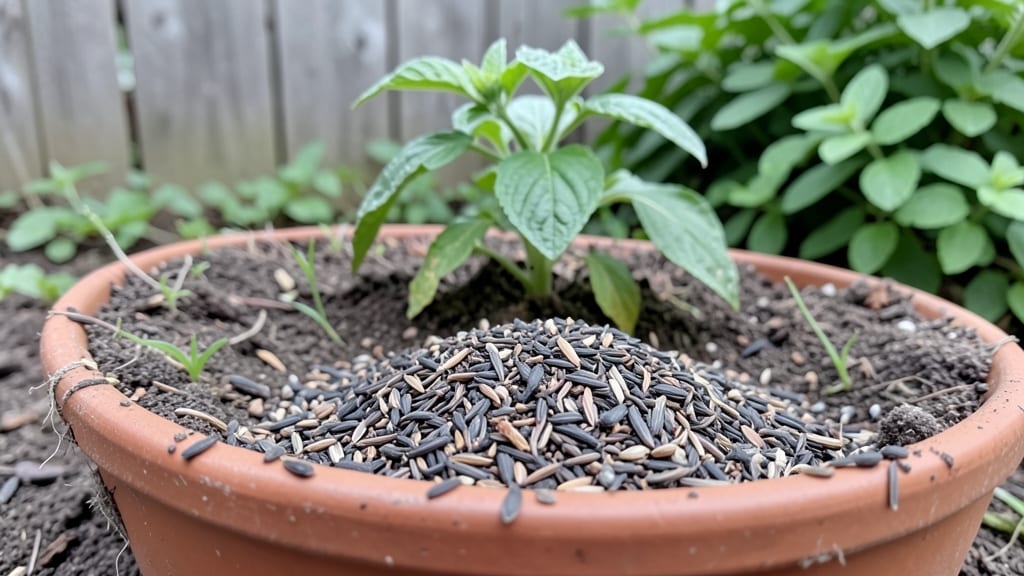
A hummingbird seed mix transforms your garden into a nonstop show of iridescent wings and darting flight. 🌿 I planted mine last spring near the patio, and within days, the feeders were buzzing with activity—something I’d never seen in my neighborhood before.
The key isn’t just the seeds; it’s how you place them alongside water and nectar-rich flowers to create a hummingbird magnet.
You’ll need a sunny spot with morning light, a shallow dish or feeder, and a mix of native seeds hummingbirds love—like nyjer or sunflower. Pair it with salvia, bee balm, or fuchsia for extra nectar, and keep fresh water nearby.
The setup takes less than 30 minutes but pays off with hours of watching these tiny acrobats hover and sip.
By summer, your garden will hum with life as hummingbirds patrol their territory, their wings a blur of motion. The feeders stay busy year-round if you refresh the seeds weekly, and you’ll notice other pollinators—like butterflies and bees—visiting too.
It’s a simple way to turn a corner of your yard into a living postcard of nature.
Works in containers or ground beds, urban backyards, or rural gardens. The only rule? Give them space to dart between flowers and feeders without feeling trapped. Let’s get those wings fluttering in your space!
📚 In This Guide
- What you need
- Instructions
- Tips and common mistakes
- Wrapping up and next steps
What you need
- ● Black oil sunflower seeds (unshelled): 3 cups – The star ingredient! High in fat and easy for hummingbirds to digest.
- ● White millet: 1 cup – Adds variety and extra nutrition.
- ● Nyjer (thistle) seeds: ½ cup – Tiny but packed with protein and fat.
- ● Cracked corn or sorghum: ½ cup – Provides quick energy.
- ● Fine mesh seed bag or airtight container: For storage.
- ● Small mixing bowl: A clean, dry container to blend ingredients.
- ○ Food processor or mortar & pestle: For lightly crushing larger seeds (optional but helpful for faster feeding).
- ● Fine-mesh strainer: To remove debris or hulls if needed.
- ● Hummingbird feeder (or DIY setup): A 12-14 oz feeder with small ports (¼-inch holes) works best.
- ● Clean water: For rinsing seeds if prepping in bulk.
- ● Label & marker: To tag your mix with the date (seeds stay fresh for 2-3 months).
Step-by-Step guide to creating a hummingbird seed mix
Here's how to blend a simple, effective mix that will keep hummingbirds buzzing to your feeder all year.
🌱 Step 1: Gather Your Base Ingredients
Start with 1 cup of nyjer (thistle) seed—this is the star of any hummingbird mix. Nyjer is tiny, oily, and packed with the high-energy calories these birds need. I like to buy it pre-packaged in a 1-pound bag for convenience, though you only need a small portion for each batch.
Add ½ cup of white millet seed next. This larger seed provides variety in texture and helps prevent mold by keeping the mix drier. Millet also attracts other small birds, which can be a bonus if you enjoy watching a diverse feeder crowd. Store both seeds in a cool, dry place until ready to use.
💧 Step 2: Mix Dry Ingredients Thoroughly
Combine the nyjer and millet in a clean, dry bowl. Use your hands to gently break up any clumps in the nyjer—hummingbirds can’t access seeds stuck together. Stir the mixture until it’s evenly distributed, with no pockets of one seed type. This ensures every bite offers balanced nutrition.
For 4 servings, you’ll need to repeat this process twice, keeping each batch separate. I like to use a quart-sized mason jar for mixing—it’s easy to shake and pour later. Avoid metal containers, as they can damage the delicate nyjer seeds.
☀️ Step 3: Store in a Humidity-Proof Feeder
Transfer the mixed seeds into a hummingbird feeder designed for nyjer. Fill it no more than halfway—overfilling can lead to spoilage. Use the 1-pound bag of nyjer to measure portions if needed, but remember, less is more here. Hummingbirds don’t need much to stay satisfied.
Fill the feeder with warm water (not hot) until the seeds are fully submerged. Let it soak for 5-10 minutes, then drain. This step softens the nyjer’s hard outer shell, making it easier for hummingbirds to extract the nutritious center. Drain completely to prevent mold—standing water is a hummingbird’s worst enemy.
⏰ Step 4: Hang and Refresh Regularly
Hang the feeder in a shady spot where it’s visible but protected from direct sunlight. Hummingbirds prefer feeders near flowers or trees, so place it within 10 feet of natural perches. I like to add a small suet cage nearby for extra variety—hummingbirds adore the high-fat treats.
Replace the seed mix every 3-5 days, even if it looks full. Mold grows fast in warm, humid conditions, and a spoiled feeder can harm these tiny birds. Keep a small spray bottle handy to rinse the feeder weekly with vinegar and water (1:1 ratio) to remove mold and bacteria.
🌿 Step 5: Monitor and Adjust for Seasonal Needs
In spring and summer, hummingbirds are most active and will visit feeders daily. Refill more frequently during these months, as they burn energy quickly. In fall and winter, reduce the mix to every 5-7 days—hummingbirds may migrate or rely more on natural food sources.
Watch for black mold or slimy residue as red flags. If you see either, scrub the feeder thoroughly with a bottle brush and mild soap, then rinse well. Hummingbirds have sensitive digestive systems, so cleanliness is non-negotiable. Keep a notebook nearby to track which mixes they prefer—some birds have quirks!
Tips & tricks for perfect hummingbird seed mix
A few key tricks will ensure your hummingbird seed mix stays fresh, nutritious, and irresistible to these tiny visitors all year long.
Seed Selection Tip: When purchasing nyjer seed, look for packages labeled "hummingbird seed" or "nyjer thistle"—these contain the highest quality, cleanest seeds. Avoid seeds with any signs of discoloration or musty smells, as these can indicate mold or spoilage. I always check the expiration date too; fresher nyjer has a higher oil content that hummingbirds prefer.
Mixing Technique: In Step 2, when combining your 1 cup of nyjer with ½ cup of millet, take an extra moment to break up any clumps in the nyjer using your fingers. Hummingbirds have tiny beaks and can't access seeds stuck together. For even distribution, I like to use a clean wooden spoon to gently fold the seeds—wood won't damage the delicate nyjer like metal might.
Soaking Secret: The 5-10 minute soaking time in Step 3 is crucial for softening the nyjer's hard outer shell. Use warm (not hot) water just until the seeds are fully submerged—this prevents over-soaking which can lead to mold. After draining, give the feeder a gentle shake to distribute the seeds evenly before hanging. This step mimics how hummingbirds naturally process seeds in the wild.
Feeder Placement: When hanging your feeder in Step 4, position it about 3-5 feet from a window where you can watch the activity. Hummingbirds prefer feeders near flowers or trees, but they also need clear flight paths. Avoid placing feeders near predators like cats, and keep them away from direct sunlight which can heat the seeds too quickly. I've found that placing a small mirror nearby can attract even more visitors!
Pro Tips for Hummingbird Seed Mix
- A few key tricks will ensure your hummingbird seed mix stays fresh, nutritious, and irresistible to these tiny visitors all year long.
- Seed Selection Tip: When purchasing nyjer seed, look for packages labeled "hummingbird seed" or "nyjer thistle"—these contain the highest quality, cleanest seeds.
- Mixing Technique: In Step 2, when combining your 1 cup of nyjer with ½ cup of millet, take an extra moment to break up any clumps in the nyjer using your fingers.
Frequently asked questions
Got questions about hummingbird seed mix?
You’re not alone! Here are some of the most common queries—plus quick, practical answers to keep your feathered friends happy and healthy.
What’s the best time of year to use hummingbird seed mix?
Hummingbird seed mix is a year-round option, but it’s especially useful in late summer through early spring when natural nectar sources are scarce. However, avoid using it during peak flowering seasons (spring/summer)—fresh flowers provide better nutrition. Think of it as a supplement, not a replacement!
Can I use hummingbird seed mix in a regular bird feeder?
Yes, but with a few tweaks! Hummingbird seed mixes are smaller and lighter than typical birdseed, so they won’t clog feeders designed for larger birds. Use a hummingbird-specific feeder with tiny ports (like a nyjer or mesh feeder) to prevent spills. Pro tip: Add a perch if your feeder doesn’t have one—hummingbirds love them!
How often should I refill or replace the seed mix?
Check your feeder every 2–3 days in warm weather (seed spoils faster!) and weekly in cooler months. Discard any moldy, clumpy, or wet seed—it can harm hummingbirds. Store unused mix in an airtight container in a cool, dry place (like your pantry) for up to 3 months.
What if hummingbirds ignore my seed mix?
Don’t worry—it’s not you! Hummingbirds are nectar-first birds, so they may prefer flowers or sugar water. Try these fixes:
While seed mixes are convenient, homemade sugar water is the gold standard for hummingbirds. Mix 1 part white sugar with 4 parts water, boil for 2 minutes, then cool before filling feeders. Avoid honey (can cause fatal fugal infection) or artificial sweeteners. For a seed-free option, plant native flowers like bee balm, trumpet vine, or salvia—they’re hummingbird magnets!
If they still skip it, the mix might be stale—try a fresh batch!
Are there alternatives to hummingbird seed mix?
Wrapping up and next steps
Creating your own hummingbird seed mix is a rewarding way to attract these dazzling visitors to your yard—no matter the season! 🌸 With the right blend of seeds, oils, and a little creativity, you’ll turn your feeder into a buzzing hotspot.
Whether you’re a seasoned gardener or just starting out, this simple project is a great way to connect with nature while supporting local wildlife.
Ready to take the next step? Grab your supplies, follow your favorite recipe, and watch your feathered friends flock in! 🐦✨ Don’t forget to share your success with fellow bird lovers—every little effort makes a difference.