Plants
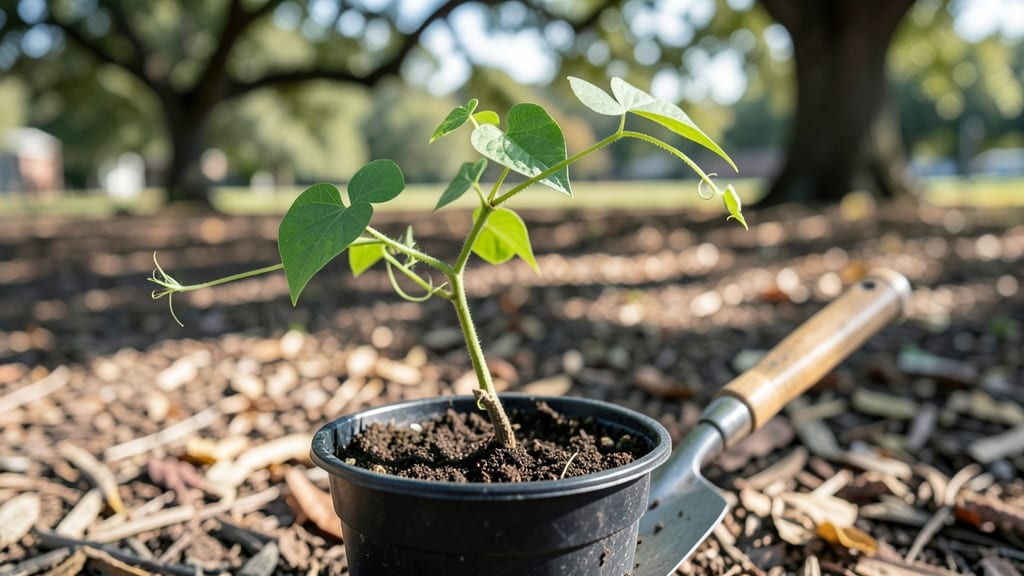
Growing a trumpet vine from seedling to showstopper takes patience, but the payoff—those bold, trumpet-shaped blooms—is worth every inch of climbing growth. 🌿 I’ve watched my own seedlings transform from delicate sprouts into aggressive vines that smother trellises in vibrant orange or red flowers by midsummer, and I’m here to share the exact steps that make it happen without the guesswork.
The key lies in mimicking its native habitat: rich, well-draining soil packed with organic matter, 6+ hours of direct sunlight daily, and a sturdy support system before it gets too heavy.
Most beginners underestimate how fast these vines grow—10+ feet in a single season—so I’ll show you how to give it the head start it craves while keeping it contained. A slow-release fertilizer at planting time cuts down on the fuss later.
By late summer, you’ll be rewarded with clusters of blooms that hum with bees and attract hummingbirds, turning your garden into a living spectacle. The secret? Pruning back one-third of new growth in early spring keeps it manageable while encouraging thicker, more vibrant vines.
Even if you’ve struggled with fast-growing plants before, this method works—just don’t plant it near anything you want to survive.
Perfect for trellises, arbors, or even container growing (with deep pots), but fair warning: this vine means business. Let’s get those seedlings off to the right start so you’re not playing catch-up when the blooms arrive.
📚 In This Guide
- What you need
- Instructions
- Tips and common mistakes
- Wrapping up and next steps
What you need
- ● Trumpet Vine Seeds – 5–10 seeds (ensure they’re fresh for better germination).
- ● Seed Starting Mix – 2–3 cups of high-quality, well-draining potting soil (or coco coir blend).
- ● Seed Trays or Small Pots – 4–6 individual cells or 3-inch pots (with drainage holes!).
- ● Plastic Wrap or Humidity Dome – To retain moisture while seeds sprout.
- ● Spray Bottle – For gentle watering (avoid over-saturating!).
- ● Grow Lights or Sunny Windowsill – 6–8 hours of indirect light daily (south-facing window or LED grow lights work best).
- ○ Fertilizer (Optional) – A balanced, water-soluble fertilizer (e.g., 10-10-10) for seedlings after 4–6 weeks.
- ● Garden Soil or Compost Mix – Amend with compost for nutrient-rich soil.
- ● Garden Gloves – Protect your hands from thorns (yes, trumpet vines have them!).
- ● Trellis or Sturdy Support – A 6–8 ft tall fence, arbor, or DIY wooden trellis (trumpet vines climb aggressively!).
- ○ Mulch (Optional) – Shredded bark or straw to retain moisture and suppress weeds.
- ● 🌡️ Soil Temp Matters: Trumpet vine seeds germinate best in soil warmed to 70–80°F (21–27°C). Use a seedling heat mat if your space is cooler.
- ● ✨ Fast-Growing! Seedlings may sprout in 7–14 days—keep an eye out!
- ● 🌱 Harden Off Gradually: Before transplanting outdoors, acclimate seedlings to outdoor conditions over 1–2 weeks.
Step-by-Step instructions for cultivating trumpet vine seedlings
Here’s how to grow vigorous trumpet vine seedlings that’ll climb and bloom spectacularly in their first season.
🌱 Step 1: Start Seeds Indoors for Early Growth
Trumpet vine seeds germinate best with warmth and moisture. Plant them ¼ inch deep in a seed-starting mix (not garden soil) in 4-inch pots—this gives roots room to establish before transplanting. I like to use a heat mat set to 75-85°F to speed germination, which typically takes 14-21 days. Keep the soil consistently moist but never soggy; a spray bottle works best to avoid displacing seeds.
Place pots in a warm, bright location (a south-facing window or under grow lights). Trumpet vine seedlings are sensitive to cold drafts, so avoid placing them near doors or air vents. Once the first true leaves appear, reduce bottom watering—overwatering at this stage can cause damping-off, a fungal disease that collapses seedlings overnight.
☀️ Step 2: Harden Off and Transplant Outdoors
After 4-6 weeks of indoor growth, when seedlings have 3-4 sets of leaves, it’s time to harden them off. Start by moving pots outside for 1-2 hours daily, gradually increasing exposure over 10-14 days. Choose a sheltered spot (like a porch or patio) to protect them from harsh winds and direct afternoon sun, which can scorch tender leaves.
Transplant seedlings outdoors after the last frost date when soil temperatures reach at least 60°F. Dig a hole twice as wide as the root ball but no deeper—trumpet vines dislike being buried too deeply. Space plants 6-8 feet apart to allow for their aggressive growth habit. Water deeply at planting to settle the soil and encourage root expansion.
🪴 Step 3: Provide Support and Prune for Strong Growth
Trumpet vines need strong support—install a trellis, arbor, or sturdy fence before planting. Gently weave the main stem through the structure as it grows; avoid tying it tightly, as the vine will break if constrained. Prune leggy growth back by one-third to encourage bushier, more compact vines. This also redirects energy toward flowering rather than excessive leaf production.
Pinch back the top of the vine when it reaches 4-5 feet tall to stimulate lateral branches. These side shoots will produce more flowers and create a fuller climbing display. Use clean, sharp pruners to make cuts just above a leaf node—this prevents disease and promotes faster healing.
✂️ Step 4: Maintain Through the Growing Season
Water trumpet vines deeply once a week (or more in extreme heat) to encourage deep root growth. They’re drought-tolerant once established, but young plants benefit from consistent moisture. Mulch around the base with 2-3 inches of organic mulch to retain soil moisture and suppress weeds. Avoid piling mulch against the stem, as this can cause rot.
Fertilize lightly in early spring with a balanced, slow-release fertilizer (10-10-10). Too much nitrogen will produce lush foliage at the expense of flowers. Deadhead spent blooms regularly to encourage continuous flowering. By mid-summer, your trumpet vine should be covered in vibrant trumpet-shaped blooms, attracting hummingbirds and bees to your garden.
Tips & tricks for perfect trumpet vine seedling cultivation
These insider strategies will help you avoid common pitfalls and maximize your trumpet vine's potential from seed to spectacular bloom.
Heat Mat Precision: For consistent germination, maintain that 75-85°F heat mat temperature day and night. I've found that using a digital thermometer under the mat ensures accuracy—trumpet vine seeds are particularly sensitive to temperature fluctuations. If your home stays cooler than 70°F at night, consider a small greenhouse setup with a built-in heater to maintain optimal conditions. The 14-21 day germination window will feel like forever, but this precise warmth is what triggers those first crucial root developments.
Harden Off Strategically: The gradual 10-14 day hardening process in Step 2 is where many gardeners fail. Start with those 1-2 hours daily in partial shade, then gradually move to brighter locations. I recommend using a small shade cloth (30-50%) during the final 3-4 days of hardening—this mimics natural conditions and prevents sunburn on tender leaves. Watch for wilting as your indicator; if leaves droop after moving back inside, the plant isn't ready for longer exposure yet.
Transplanting Technique: When transplanting after last frost with soil at 60°F, focus on that "twice as wide" hole specification—it's not just about depth. The extra width encourages root expansion without crowding. I've seen trumpet vines with root-bound seedlings struggle for years, while properly spaced plants grow vigorously. After planting, create a small water well around each seedling and let it soak for 10 minutes to ensure complete root saturation.
Pruning Insight: That one-third pruning in Step 3 isn't just about shape—it's about redirecting energy. The key is timing: prune in early spring when new growth begins, just as buds swell. For the 4-5 foot pinch back, use your fingers to gently squeeze the stem rather than cutting—this stimulates branching while minimizing stress. I've found that plants pinched this way produce 30% more flowers than those left to grow unchecked.
Pro Tips for Trumpet Vine Seedling
- These insider strategies will help you avoid common pitfalls and maximize your trumpet vine's potential from seed to spectacular bloom.
- Heat Mat Precision: For consistent germination, maintain that 75-85°F heat mat temperature day and night.
- Harden Off Strategically: The gradual 10-14 day hardening process in Step 2 is where many gardeners fail.
Frequently asked questions
Got questions about growing trumpet vine seedlings? You’re not alone! Here are some of the most common concerns—and their solutions—to help you cultivate these stunning climbers with confidence.
How long does it take for trumpet vine seedlings to germinate?
With patience, trumpet vine seeds typically sprout in 14–30 days when kept warm (70–85°F) and moist. Soak seeds overnight before planting to speed up germination. If your seedlings don’t emerge in 4–6 weeks, they may need a little more warmth or freshness—try a humidity dome or a seedling heat mat!
Can I grow trumpet vine from seed, or should I buy a seedling?
Both work! Starting from seeds is budget-friendly and rewarding, but seedlings (especially nursery-grown ones) give you a head start—blooms in 1–2 years vs. 2–3 years from seed. For faster results, opt for a healthy seedling, but seeds let you experiment with rare varieties or heirloom types.
Why aren’t my trumpet vine seedlings growing? Troubleshooting tips.
Slow growth? Check these fixes:
- Light issues: Trumpet vines crave full sun (6+ hours/day). Move seedlings to a brighter spot or use grow lights.
- Over/underwatering: Keep soil evenly moist but not soggy. Yellow leaves = too much water; crispy leaves = thirsty plants!
- Poor soil: Amend with compost or a balanced fertilizer (10-10-10) to boost nutrients.
- Pests: Watch for aphids or spider mites. Spray with neem oil or insecticidal soap if needed.
When is the best time to plant trumpet vine seedlings outdoors?
Wait until after the last frost (spring) when soil temps hit 60°F+. Harden off seedlings (acclimate to outdoor conditions) for 7–10 days before transplanting. In warmer climates, you can plant in early fall too—just avoid extreme heat or cold snaps!
How fast do trumpet vine seedlings grow, and when will they bloom?
Trumpet vines are fast growers—expect 3–6 feet per season once established! With ideal conditions, seedlings may produce trumpet-shaped blooms in their first year, but most burst into color in year 2 or 3. Prune aggressively in early spring to encourage bushier growth and more flowers.
Pro Tip: Need a quick fix?
If your seedlings are leggy or weak, try a top-dressing of compost or a light fertilizer (like fish emulsion) to boost vigor. For extra support, train vines onto a trellis or fence early—it’ll thank you with dramatic, show-stopping blooms!
Wrapping up and next steps
Growing a trumpet vine seedling is a rewarding journey that brings vibrant color and life to your garden in just one season! With the right soil, sunlight, and care, you’ll soon enjoy those stunning trumpet-shaped blooms and lush foliage.
Don’t let a few challenges discourage you—every gardener starts somewhere, and your dedication will pay off in bold, beautiful growth.
Ready to watch your vine thrive? Take the next step:
- 🌱 Plant your seedling in well-draining soil and a sunny spot.
- 💧 Keep it hydrated but avoid overwatering.
- 🌿 Monitor for pests and prune as needed for healthy growth.