
Flowers
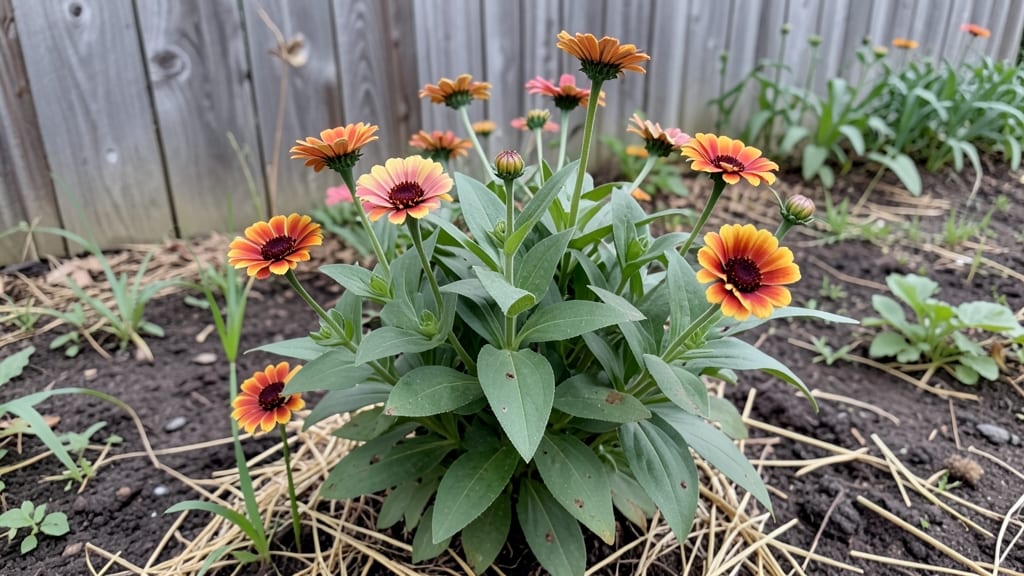
Finding inexpensive flower seeds that still pack a punch is one of my favorite gardening secrets—because you don’t need a fortune to fill your garden with color. 🌻 Last summer, I turned a $10 seed packet into a front-yard display that had neighbors asking where I bought them.
The trick isn’t just shopping smart; it’s choosing the right varieties that thrive with minimal fuss.
Start with heirloom annuals like cosmos, zinnias, or marigolds—they’re often cheaper than fancy hybrids and bloom like crazy all season.
I also scour local feed stores, dollar stores, and online seed swaps for deals, then store my seeds in airtight containers with a damp paper towel to keep them viable for years. A little prep work means more flowers for less money every year.
Planting them is easier than you’d think: scatter seeds in well-drained soil, keep them moist, and watch them pop up in 10-14 days. By mid-summer, you’ll have lush blooms that cost pennies per stem.
The best part? You can replant the same varieties year after year, cutting costs even further while keeping your garden vibrant.
This works for small spaces, large beds, or even containers—just adjust spacing and watering. Whether you’re a first-time gardener or looking to save money, these budget blooms prove you don’t need a big budget for a beautiful garden. Let’s get those seeds in the ground!
📚 In This Guide
- What you need
- Instructions
- Tips and common mistakes
- Wrapping up and next steps
What you need
- ● Inexpensive flower seeds: Choose from affordable varieties like marigolds, sunflowers, zinnias, or cosmos (packets typically cost $1–$3). Aim for at least 10–20 seeds per type for a full bloom.
- ● Seed-starting containers: Small pots (3–4 inches wide), egg cartons, or recycled containers (e.g., yogurt cups). You’ll need one per seedling or a shared tray with drainage.
- ● Potting soil: A lightweight, well-draining mix (e.g., seed-starting or cactus/succulent blend). A 5–10 lb bag covers most small gardens.
- ● Watering can or spray bottle: A gentle spray helps avoid disturbing seeds. A 1–2 gallon capacity is ideal.
- ○ Gloves (optional but recommended): Protects hands from dirt and thorns (e.g., roses or hollyhocks).
- ● Grow lights or sunny windowsill: If starting indoors, a LED grow light (12–15 watts) or south-facing window (6+ hours of light/day) speeds up germination.
- ● Fertilizer (low-cost options): A balanced 10-10-10 or compost tea boosts growth. Start with 1 tbsp per gallon of water after sprouts appear.
- ● Mulch (straw or shredded leaves): Retains moisture and suppresses weeds. A 5–10 lb bag works for small beds.
- ● Stakes or cages: Supports tall flowers like sunflowers or delphiniums. Bamboo stakes (18–24 inches) or tomato cages are budget-friendly.
- ● Plant labels: Popsicle sticks or cheap markers help track varieties (especially useful for mixed seed packs).
How to grow beautiful flowers on a budget
Here's how to transform empty spaces into vibrant displays using affordable seeds.
🌱 Step 1: Choose the Right Seeds for Your Space
Start by selecting seeds that match your growing conditions. Look for self-seeding annuals like cosmos, zinnias, or marigolds—they'll come back year after year without replanting. I always check the packet for days to maturity to avoid disappointment; fast-growing varieties like nasturtiums bloom in just 30-40 days.
For shade areas, try sweet alyssum or impatiens, while full sun thrives with sunflowers or black-eyed Susans. Buy seeds in bulk online or from discount garden centers—100+ seeds for $2 is a steal compared to nursery plants. Avoid hybrid seeds marked "F1" if you want to save seeds for next year.
💧 Step 2: Prepare Your Planting Area
Clear the area of weeds and loosen the soil to a depth of 4-6 inches using a garden fork. Work in 1-2 cups of compost per square foot to give your flowers a nutrient boost without breaking the bank. I like to mix in a handful of slow-release fertilizer (like 10-10-10) to support strong root growth.
For containers, use sterile potting mix in pots with drainage holes. If planting directly in the ground, avoid fresh manure—it can burn tender seedlings. Water the area thoroughly 24 hours before planting so the soil is evenly moist but not soggy. This helps seeds make good contact with the soil for faster germination.
☀️ Step 3: Plant Seeds at the Right Depth and Spacing
Read the seed packet for depth guidelines—most flowers need planting at a depth of 2-3 times their diameter. Tiny seeds like snapdragons go in just ¼ inch deep, while larger ones like sunflowers can be planted 1 inch deep. I use my finger to make small furrows in the soil for neat rows.
Space seeds according to the packet (usually 6-12 inches apart for most annuals). Crowding leads to weak stems and disease. After planting, cover seeds lightly with soil and mist gently with water—no need to soak. Place a small marker nearby to track varieties, especially if mixing colors or heights.
🌿 Step 4: Maintain Consistent Moisture and Light
Keep the soil evenly moist (not waterlogged) until seeds sprout. I use a spray bottle for small areas to avoid disturbing seeds. Most flowers germinate within 7-14 days, though some like four o'clocks can take 2-3 weeks. Once sprouts appear, thin to the strongest seedlings, leaving stronger plants spaced properly to avoid future competition.
Move seedlings to a sunny spot with 6+ hours of light daily. If growing indoors, supplement with a grow light placed 2-4 inches above the plants. Watch for leggy growth—a sign they need more light. After true leaves form (not the first tiny seed leaves), you can fertilize lightly with diluted liquid fertilizer every 2-3 weeks.
✂️ Step 5: Deadhead and Extend the Blooming Season
When flowers fade, pinch off spent blooms to encourage more flowers. This simple step keeps plants producing longer and fuller. I deadhead in the morning when blooms are dry—it's less messy and prevents seed formation that can weaken the plant. For perennials like coneflowers, remove only the dead flower heads and leave the foliage until late fall.
At season's end, collect seeds from your favorite plants to save for next year. Let them dry on the plant, then store in paper envelopes in a cool, dry place. Most seeds stay viable for 1-3 years. With proper care, your budget-friendly flowers will return year after year with even more vibrant displays.
Tips & tricks for growing beautiful flowers on a budget
Here's what I've learned from years of growing flowers without breaking the bank—these tricks will help you get the most vibrant blooms for your dollar.
Seed Selection Strategy: Focus on self-seeding annuals like cosmos or zinnias—they'll come back year after year without replanting, saving you money in the long run. I always prioritize seeds with 30-40 days to maturity for quick color, but don't overlook perennials like coneflowers that return annually. Look for seed packets labeled "heirloom" or "open-pollinated" if you want to save seeds for future seasons.
Soil Preparation Hack: The 24-hour soaking tip before planting is gold—it ensures seeds make good contact with moist soil, which speeds up germination. For containers, mix 1-2 cups of compost directly into the potting mix to give your seedlings a nutrient boost from day one. I swear by adding a handful of slow-release fertilizer (like 10-10-10) to the planting hole—it feeds roots for weeks without the hassle of regular fertilizing.
Planting Depth Visual: Use your finger as a guide for planting depth—most tiny seeds only need to be covered with soil about as thick as your fingernail (¼ inch), while larger seeds like sunflowers should go in about as deep as your knuckle (1 inch). Pressing seeds lightly into the soil rather than dropping them in helps maintain proper depth, especially in loose or windy conditions.
Lighting Solution: If your seedlings are getting leggy (stretching toward light), they need more illumination. Move them to a sunnier spot immediately—indoors, this means within 2-4 inches of a grow light. I've had great success with simple LED shop lights ($15 at hardware stores) placed just above the seedlings. Once true leaves appear (not the first tiny seed leaves), you can start light fertilization every 2-3 weeks to keep them thriving.
Pro Tips for Inexpensive Flower Seeds
- Here's what I've learned from years of growing flowers without breaking the bank—these tricks will help you get the most vibrant blooms for your dollar.
- Seed Selection Strategy: Focus on self-seeding annuals like cosmos or zinnias—they'll come back year after year without replanting, saving you money in the long run.
- Soil Preparation Hack: The 24-hour soaking tip before planting is gold—it ensures seeds make good contact with moist soil, which speeds up germination.
Frequently asked questions
Got questions about growing flowers on a budget?
You’re not alone! Here are answers to the most common queries about inexpensive flower seeds—so you can bloom beautifully without breaking the bank.
Can I grow flowers from cheap seeds year-round?
Most inexpensive flower seeds thrive in specific seasons. Cool-season blooms like pansies or snapdragons love spring/fall, while sunflowers and marigolds prefer warm weather. Check seed packets for hardiness zones—and don’t forget: some flowers (like sweet peas) need a head start indoors!
Are store-brand seeds as good as name-brand ones?
Many budget-friendly seeds from discount stores or online retailers (like Dollar Tree or Etsy) are just as viable—just verify freshness (packets should be 1–2 years old max). For heirloom varieties, local seed swaps or seed banks offer free/cheap options with proven quality.
How do I fix seeds that won’t sprout?
Try these quick fixes:
- Test moisture: Dampen soil (not soggy!) and cover with plastic wrap until sprouts appear.
- Check depth: Tiny seeds (like petunias) need light—press them just under the soil surface.
- Warmth helps: Place trays on a sunny windowsill or use a heat mat for slow starters.
What’s the cheapest way to get free flower seeds?
Skip the seed catalog! Try these zero-cost methods:
- Save seeds from store-bought veggies (tomatoes, peppers, cucumbers—yes, they’re flowers too!).
- Join seed libraries (many public libraries offer free packets!).
- Ask neighbors for cuttings or seed pods from their gardens.
- Check free seed swap groups on Facebook or gardening forums.
How long until I see flowers from cheap seeds?
Timing varies! Fast bloomers like marigolds or zinnias sprout in 5–10 days and flower in 6–8 weeks. Slower growers (e.g., hollyhocks) take 3–4 months. Read the packet—it’s your roadmap! Pro tip: Succession planting (sowing new seeds every 2 weeks) ensures continuous color.
Can I reuse last year’s seeds?
Only if stored properly! Keep seeds in a cool, dry place (like a sealed jar in the fridge) for 1–2 years. Test viability by planting a few—if they sprout, the rest are good. Avoid humidity (it causes mold), and label packets with the date!
Wrapping up and next steps
Growing flowers on a budget is easier—and more rewarding—than you think! With inexpensive flower seeds, you can transform any space into a vibrant oasis without breaking the bank.
Whether you’re a novice gardener or a seasoned green thumb, the key is to start small, stay consistent, and enjoy the process.
Ready to turn your garden dreams into reality? Pick your favorite seeds, grab your tools, and get planting! Your future blooms—and the joy they’ll bring—are just a seed away. 🌸