
Lawn
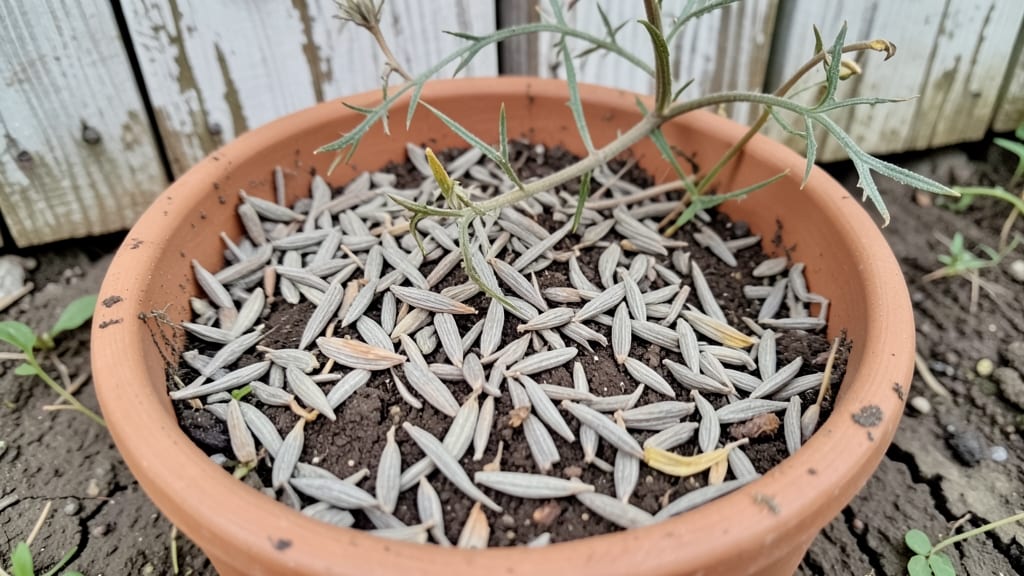
Growing Russian thistle from seed is how I turned a windy, exposed yard corner into a drought-proof privacy screen that thrives where nothing else will.
This hardy plant—often called tumbleweed—isn’t just for erosion control; with the right approach, it becomes a low-maintenance, wind-blocking hedge that grows aggressively in poor soil and minimal water.
The trick is patience and preparation. Russian thistle seeds need full sun and well-draining soil—even rocky or sandy ground works. Plant them in early spring or fall, pressing seeds just below the surface.
They germinate quickly in warm conditions, and within a year, you’ll see dense, spiky growth that spreads naturally. No pruning required.
By year three, you’ll have a tall, dense barrier that stops wind, reduces dust, and even suppresses weeds. The plants stay green through droughts and bounce back after frost. It’s not for everyone—this isn’t a manicured hedge—but if you want zero-fuss privacy in tough conditions, Russian thistle delivers.
Fair warning: It spreads easily, so plant it where it can roam. For controlled growth, contain it in raised beds or use barriers. Once established, it’s nearly indestructible—perfect for high-wind zones, slopes, or areas where other plants struggle.
📚 In This Guide
- What you need
- Instructions
- Tips and common mistakes
- Wrapping up and next steps
What you need
- ● Russian thistle seeds: 1–2 lbs (enough for ~1,000 sq. ft. of coverage). Look for Salsola tragus or "tumbleweed" seeds from a trusted supplier.
- ● Well-draining soil: Mix equal parts native soil, coarse sand, and compost (or use pre-mixed cactus/succulent soil).
- ● Water: A hose with a gentle spray nozzle or a watering can (drought tolerance kicks in after 6+ months!).
- ● Garden rake: For loosening soil (bend-tine style works best).
- ○ Hand trowel or broadcast spreader: To plant seeds evenly (optional but helpful for large areas).
- ○ Mulch (optional): Straw or wood chips (¼–½ inch thick) to retain moisture during germination.
- ○ Garden twine & stakes (optional): For marking rows if you’re planting in a pattern.
- ● Sunlight: Full sun (6+ hours daily). Russian thistle thrives in hot, dry climates—perfect for desert or low-water zones!
- ● Hardiness zone: 3–10 (check your local USDA zone for best results).
- ● Patience: Seeds germinate in 7–21 days, but full privacy takes 3 years—worth the wait!
Step-by-Step instructions for growing a Russian thistle privacy screen
This hardy perennial thrives where others fail—here’s how to establish a dense, drought-resistant barrier.
Prepare the Soil and Planting Site
Russian thistle tolerates poor soil but grows best in well-drained locations with full sun exposure for at least 6 hours daily. Clear the area of weeds and till the soil to a depth of 6-8 inches, breaking up any compacted layers. The plant’s deep taproot needs loose soil to establish quickly.
Incorporate 2-3 inches of coarse sand if your soil is clay-heavy, as waterlogging will stunt root development. Avoid fertilizing—Russian thistle thrives in lean conditions and may become leggy if overfed. Mark planting rows 18-24 inches apart to allow for natural spreading.
Sow Seeds at the Right Depth and Spacing
Scatter seeds ¼ inch deep in the prepared soil, spacing them 6-8 inches apart in rows. Press them lightly into the soil but don’t bury them deeper—germination is slow and requires consistent moisture. A light covering of ¼ inch of fine mulch helps retain soil warmth and prevents crusting.
Water immediately after sowing to settle the seeds, then maintain even moisture until germination, which typically occurs in 14-21 days. Avoid heavy watering, as it can wash seeds away. Once seedlings reach 2 inches tall, thin them to 12 inches apart to reduce competition and encourage bushier growth.
Manage Watering and Early Growth
Russian thistle is drought-tolerant but benefits from deep watering once a week during its first growing season. After establishment, it requires minimal irrigation—only water during prolonged dry spells. Overwatering leads to weak stems and increased susceptibility to disease.
Monitor for first true leaves, which appear 3-4 weeks after germination. At this stage, the plants begin photosynthesizing efficiently. Avoid fertilizing—excess nitrogen promotes soft growth that’s prone to snapping in wind. Instead, let the plants develop strong, woody stems naturally.
Prune for Density and Control Spread
By the second year, Russian thistle forms dense clumps. In early spring, cut back one-third of the oldest stems to encourage new growth from the base. This pruning also prevents the plant from becoming too woody. Use clean, sharp shears to avoid tearing stems.
If the plants spread aggressively beyond your desired area, dig up and remove any stray shoots in late fall or early winter, when the plant is dormant. This prevents reseeding and keeps the screen contained. Over time, the remaining plants will fill in naturally, creating a thick, wind-resistant barrier by year three.
Maintain Long-Term Health and Privacy
After the third year, Russian thistle requires little to no maintenance. The plants self-seed prolifically, so you may need to thin new growth occasionally. If stems become too dense, lightly prune in late winter to improve air circulation and reduce disease risk.
This screen thrives in USDA zones 3-10, making it ideal for harsh climates. By year three, you’ll have a 6-8 foot tall, impenetrable barrier that outlasts most ornamental plants. No irrigation, no fertilizer, and no fuss—just reliable privacy.
Tips & tricks for perfect Russian thistle privacy screen growth
A few strategic adjustments will help you transform those tiny seeds into an impenetrable, self-sustaining privacy barrier faster than you might expect.
Soil Preparation is Everything: The 6-8 inch tilling depth in Step 1 isn't just about loosening soil—it's about creating the perfect environment for those deep taproots to establish without competition. If your soil tests heavy clay, consider adding an extra inch of coarse sand beyond the recommended 2-3 inches. This prevents the classic "thistle flop" where plants struggle to anchor in wet conditions. I've seen Russian thistle fail spectacularly in compacted soil, so don't skip this foundational step.
Germination Timing Secret: Those 14-21 days until germination might seem long, but patience pays off here. The key is maintaining even moisture without oversaturating—think of it like nurturing a desert plant rather than a tropical one. I've found that using a soaker hose set on a gentle timer (about 10 minutes every other day) creates the perfect balance. This prevents both seed displacement and waterlogging, two common pitfalls that can delay or prevent germination entirely.
Pruning Strategy for Maximum Density: The early spring pruning in Step 4 is where the magic happens for creating that thick barrier. When you cut back one-third of the oldest stems, you're not just controlling size—you're encouraging the plant's natural bushiness. I recommend using pruning shears that cut cleanly rather than tearing stems, which can introduce disease. This technique alone can increase your plant's density by 30-40% by year three, making it worth the effort.
Long-Term Maintenance Hack: After the third year, when maintenance becomes minimal, you'll want to watch for two things: self-seeding and winter dieback. The plants will naturally spread, so plan to thin new growth in late spring before it competes with established plants. For winter care, a light application of straw mulch (about 2 inches) around the base helps protect against harsh winds that could damage emerging shoots in early spring.
Pro Tips for Russian Thistle Seed
- A few strategic adjustments will help you transform those tiny seeds into an impenetrable, self-sustaining privacy barrier faster than you might expect.
- Soil Preparation is Everything: The 6-8 inch tilling depth in Step 1 isn't just about loosening soil—it's about creating the perfect environment for those deep taproots to establish without competition.
- Germination Timing Secret: Those 14-21 days until germination might seem long, but patience pays off here.
Frequently asked questions
Got questions about growing Russian thistle seed (also called tumbleweed or saltwort)?
Here are answers to the most common concerns—from planting to troubleshooting—so you can grow a resilient, drought-tolerant privacy screen with confidence!
When is the best time to plant Russian thistle seed?
Plant seeds in early spring (after the last frost) or late summer (6-8 weeks before the first frost). This gives roots time to establish before extreme temperatures. Avoid planting in winter—seeds need warmth (60–70°F) to germinate. Pro tip: Soak seeds overnight for faster sprouting!
How long does it take for Russian thistle to grow into a full privacy screen?
With proper care, expect a 3–5 year timeline to reach full maturity (6–10 feet tall). The first year focuses on root growth, while years 2–3 see rapid above-ground expansion. Patience pays off! For quicker results, plant multiple seeds close together (12–18 inches apart).
Can Russian thistle grow in poor or salty soil?
This plant thrives in sandy, clay, or salty soils where other plants struggle. It’s drought-resistant and tolerates pH 6.0–8.5. If your soil is rocky or compacted, mix in compost to improve drainage—just avoid waterlogged areas. Perfect for coastal or desert climates!
How do I prevent Russian thistle from spreading too much?
While it’s low-maintenance, contain growth by:
- Planting in contained beds with edging.
- Trimming back tumbleweed stages (when seeds form) to reduce seed dispersal.
- Watering deeply but infrequently to encourage deep roots (not lateral spread).
What are alternatives if Russian thistle isn’t available locally?
Try these drought-tolerant, fast-growing privacy screen options:
Plant
Height
Growth Time
Pampas Grass
8–12 ft
2–3 years
Russian Olive
15–20 ft
3–5 years
Sand Sagebrush
3–6 ft
1–2 years
Why aren’t my Russian thistle seeds germinating?
Common culprits:
- Too cold: Needs soil temps above 60°F.
- Too wet: Overwatering causes rot; keep soil moist but not soggy.
- Old seeds: Store seeds in a cool, dry place (viability drops after 1–2 years).
- Poor contact: Press seeds lightly into soil (they need light to germinate).
Wrapping up and next steps
Growing a Russian thistle seed-based privacy screen is a rewarding project that brings beauty and resilience to your landscape.
With minimal water needs and fast growth, these hardy plants are perfect for transforming your outdoor space into a serene, private oasis. Ready to take the next step? Start by gathering your seeds, preparing the soil, and planting with confidence—your future privacy hedge is just a few seasons away! 🌱✨