
Advice
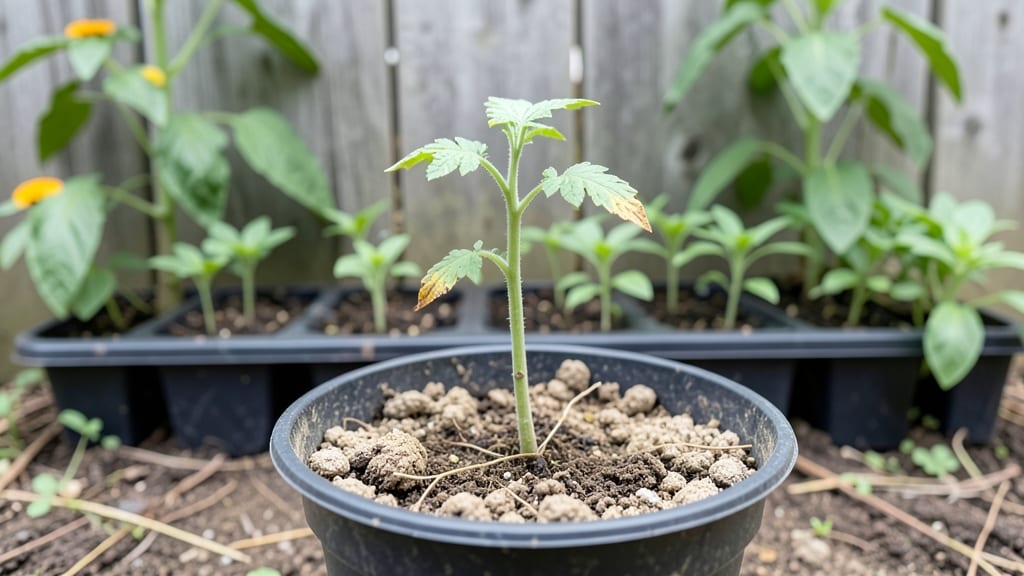
Stunted seedlings mean you're just days away from lush new growth—if you know the right moves. 🌱 I've pulled back more seedlings from the brink than I'd like to admit, and the fixes are simpler than they seem once you spot the clues: yellowing leaves, wilting stems, or roots that look like overcooked noodles.
The usual suspects? Overwatering drowns roots faster than you'd think, while poor soil or cramped containers strangle growth before it starts. Pests like fungus gnats or aphids sip the sap right out of tender stems, and nutrient deficiencies leave seedlings looking like they're malnourished.
The good news? Each problem has a quick, targeted fix—no guesswork required.
Within 3-5 days of proper care, you'll see fresh leaves unfurling and roots branching out. We're talking vibrant green stems, not sad little sticks. The key is diagnosing fast and acting even faster—no waiting until it's too late. Let's get those seedlings bouncing back.
Works for tomatoes, peppers, herbs, or flowers—anything you've nursed from seed. The same principles apply whether you're growing in trays, solo cups, or a DIY seedling station. Here's exactly what to check and how to turn things around.
Why it happens
When your seedlings seem to be stuck in slow motion—tiny leaves, weak stems, or barely any growth—it’s usually a sign that something fundamental is off. Understanding the root causes of stunted growth helps you diagnose the issue fast and take targeted action.
Let’s dig into the most common culprits and why they derail your young plants.
🌱 Poor Soil Quality or Nutrient Deficiency
Seedlings are delicate powerhouses, and they need the right fuel to grow.
If the soil lacks essential nutrients—especially nitrogen, phosphorus, and potassium (NPK)—your seedlings will struggle to develop strong roots, sturdy stems, or vibrant leaves. Nitrogen is critical for leafy growth, while phosphorus supports root development, and potassium helps regulate water and nutrient uptake.
Other micronutrients like magnesium, iron, and zinc also play key roles. A deficiency in magnesium (often seen as yellowing between leaf veins) or iron (pale new leaves) can stall growth entirely.
Even if your soil looks rich, it might be depleted after multiple plantings or lack proper organic matter like compost or worm castings.
Actionable fix: Test your soil’s pH (ideal range: 6.0–7.0 for most seedlings) and amend it with a balanced organic fertilizer or compost tea. For quick fixes, use a water-soluble seedling fertilizer (like 5-10-5 or fish emulsion) at half-strength to avoid burning tender roots.
💧 Overwatering or Underwatering
The Goldilocks rule applies here—seedlings need just the right amount of water, neither too much nor too little. Overwatering suffocates roots by cutting off oxygen, leading to root rot (a fungal infection that turns roots mushy and black). Underwatering, on the other hand, causes roots to dry out and shrink, starving the plant of moisture and nutrients.
Most seedlings thrive with consistently moist (not soggy) soil.
The top inch should dry slightly between waterings, but the root zone should stay hydrated. Signs of overwatering: Yellowing leaves, wilting despite wet soil, or a foul smell. Signs of underwatering: Crispy leaf edges, drooping stems, or soil pulling away from the pot edges.
Actionable fix:
- 🔥 For overwatering: Let the soil dry out slightly, then repot in fresh, well-draining mix (add perlite or vermiculite). Avoid watering until the top 1–2 inches feel dry.
- 💧 For underwatering: Water gently at the base (not overhead) until it drains from the bottom. Use a spray bottle for fine misting if the soil is too dry.
- 🌡️ Pro tip: Use a moisture meter or the "finger test" to check soil dampness before watering.
❄️ Temperature or Light Stress
Seedlings are sensitive to extreme temperatures and light conditions. Too much heat (above 85°F) or cold drafts (below 50°F) can shock their systems, slowing metabolism and growth.
Similarly, insufficient light causes seedlings to stretch (a condition called etiolation) in search of sunlight, weakening stems and reducing leaf surface area for photosynthesis.
Most seedlings prefer warmth (65–75°F during the day, 55–65°F at night) and 12–16 hours of bright, indirect light daily. Without enough light, they’ll grow leggy and pale, while too much direct sun (especially in hot climates) can scorch tender leaves.
Actionable fix:
- 🌡️ Adjust temperature: Move seedlings away from drafts (AC vents, open windows) or use a seedling heat mat (70–75°F) for optimal root warmth.
- ☀️ Boost light: Supplement natural light with grow lights (LED or fluorescent) 12–14 inches above seedlings for 14–16 hours/day. Rotate trays daily for even growth.
- 🌿 Pro tip: If seedlings are etiolated (tall and spindly), pinch off the top leaves to encourage bushier growth and move them closer to the light source.
🐛 Pest or Disease Pressure
Tiny invaders like aphids, spider mites, or fungus gnats can drain sap from seedlings, while soil-borne pathogens (like Pythium or Fusarium) attack roots, causing stunted growth or sudden wilting. Even bacterial or viral infections can spread quickly in crowded seedling trays, leading to yellowing, spots, or stunted shoots.
Watch for:
- Pests: Sticky residue (aphids), webbing (spider mites), or tiny flies hovering near soil (fungus gnats).
- Diseases: Dark spots on leaves (fungal), mushy stems (bacterial soft rot), or roots that smell rotten.
Actionable fix:
- 🐜 For pests: Isolate affected seedlings, wipe leaves with neem oil solution (1 tsp neem oil + 1 tsp mild soap per quart of water), or introduce beneficial insects (ladybugs, predatory mites).
- 🧪 For diseases: Remove infected seedlings immediately, sterilize trays with a 10% bleach solution, and repot healthy ones in fresh, sterile soil. Add mycorrhizal fungi to boost root resilience.
- 🌱 Prevention: Space seedlings properly (2–3 inches apart) for airflow and avoid overhead watering to reduce humidity-related diseases.
🪴 Transplant Shock or Root Binding
Even if you’ve nurtured your seedlings perfectly, transplanting too early or too late can trigger stunted growth. Transplant shock occurs when roots are disturbed during repotting, causing stress that halts growth for days or weeks.
Similarly, root-bound seedlings (those that have circled the pot and strangled themselves) can’t absorb enough water or nutrients, leading to stunted tops.
Signs of root issues:
- Roots growing in tight circles around the pot.
- Slow recovery after transplanting (leaves yellowing or wilting for >1 week).
- Soil drying out too fast (indicating roots can’t reach water).
Actionable fix:
- ⏰ Time transplants right: Wait until seedlings have 2–3 true leaves and a sturdy stem before repotting. Use the "root check" method—gently squeeze the pot to see if roots fill the space.
- 🌿 Repot carefully: Loosen roots before transplanting to encourage outward growth. Use a pot 1–2 inches larger in diameter to avoid overcrowding.
- 💡 Pro tip: If seedlings are root-bound, trim circled roots with sterilized scissors before repotting to promote new
Revive and Prevent Stunted Seedlings
Now that you know the culprits behind weak, slow-growing seedlings, it’s time to take action! Below are practical, step-by-step solutions tailored to each common cause—plus prevention tips to keep your future seedlings thriving. 🌱✨
Fix it fast:
- Test your soil (a simple pH kit from a garden center works). Aim for 6.0–7.0—most seedlings prefer slightly acidic to neutral soil.
- Amend the soil with compost or a balanced fertilizer (like 10-10-10) if it’s too dense or lacking nutrients. Mix 1–2 cups of compost per gallon of soil for a nutrient boost.
- Use seedling-specific fertilizer (low in nitrogen, high in phosphorus) to encourage root and leaf growth. Dilute to half-strength to avoid burning tender roots.
- Repot if needed: If the soil is compacted or waterlogged, gently transplant the seedling into a well-draining potting mix (like a 50/50 blend of peat moss and perlite).
Prevent it: ✅ Start with high-quality seed-starting mix—avoid garden soil, which can compact and harbor diseases. ✅ Rotate crops to prevent nutrient depletion in containers or beds. ✅ Add worm castings (10%) to soil for natural, slow-release nutrients.
Fix it fast:
- Check moisture levels by sticking your finger 1 inch into the soil. If it’s soggy, pause watering for 2–3 days to let it dry slightly. If it’s bone-dry, water slowly until it drains from the bottom.
- Adjust your watering routine:
- Overwatered? Move to a shadier spot and ensure pots have drainage holes. Let the top 1/4 inch dry out between waterings.
- Underwatered? Place the pot in a tray of 1 inch of water for 10–15 minutes to hydrate roots gently.
- Use the right tools: A spray bottle for delicate seedlings or a watering can with a fine rose to avoid disturbing soil.
Prevent it: ✅ Use moisture meters (or your finger!) to track soil dampness. ✅ Water in the morning so excess moisture evaporates during the day. ✅ Group seedlings together to create a humid microclimate (but avoid crowding).
Fix it fast:
- Too little light? Move seedlings within 6–12 inches of a south-facing window or supplement with a grow light (LED or fluorescent) 12–16 hours/day.
- Too much direct sun? Shift seedlings to a bright, indirect spot (e.g., under sheer curtains) or provide dappled shade with a sheer fabric screen.
- Rotate trays weekly so seedlings grow straight (not leaning toward the light).
Prevent it: ✅ Start with a grow light if natural light is weak (common in early spring). ✅ Monitor leaf color: Yellowing or pale leaves = more light; crispy edges = less light. ✅ Use reflective surfaces (like aluminum foil on tray sides) to maximize light efficiency.
Fix it fast:
- Identify the problem:
- Fungus (damping-off)? Remove affected seedlings immediately and sterilize tools with rubbing alcohol.
- Aphids/spider mites? Spray with neem oil (mix 1 tsp neem oil + 1 tsp mild soap + 1 quart water) or rinse off with water.
- Root rot? Trim mushy roots with sterilized scissors, repot in fresh, dry soil, and reduce watering.
- Boost immunity: Spritz seedlings with a baking soda solution (1 tsp baking soda + 1 quart water) to prevent fungal growth.
Prevent it: ✅ Sterilize trays/pots between uses (boil or soak in 10% bleach solution). ✅ Space seedlings to improve air circulation (reduce humidity for pests). ✅ Use row covers if outdoor pests (like flea beetles) are a risk.
Fix it fast: - Too cold? Move seedlings to a warmer spot (65–75°F is ideal). Use a seedling heat mat (set to 70°F) if below 55°F. - Too hot/drafty? Shield from AC vents, open windows, or radiators.
Place a humidity dome (or plastic wrap) over seedlings to retain moisture. - Acclimate gradually: If moving outdoors, harden off by exposing seedlings to 1–2 hours of outdoor conditions daily, increasing time over 1–2 weeks.
Prevent it: ✅ Keep seedlings away from doors/windows that open/close frequently. ✅ Use a thermometer to monitor temperature swings. ✅ Group seedlings together to create a stable microclimate.
🔥 Prune wisely: If seedlings are leggy, snip just above a leaf node to encourage bushier growth (but avoid cutting into the stem). 🌡️ Humidity hack: Place trays on a pebble-filled tray with water to increase moisture without overwatering. 🎯 Fertilizer timing: Wait 7–10 days after germination before adding nutrients—young roots are sensitive! ✨ Patience pays off: Stunted growth can rebound in 7–14 days with the right care—don’t give up!
Remember: Most seedlings recover quickly with consistent adjustments. Monitor closely, and your weaklings will soon be strong, leafy powerhouses ready for transplanting! 🌿💪
Frequently asked questions about stunted seedling growth
Why are my seedlings growing so slowly after just a few weeks?
Slow growth usually means your seedlings aren't getting enough light, nutrients, or warmth. Check if they're getting 12-16 hours of light daily—without enough, they'll stretch weakly. Also verify soil moisture (should be damp but not soggy) and test pH (ideal range: 6.0-7.0). Cold drafts or temperatures below 55°F can also stall growth.
How do I tell if my seedlings are overwatered vs. underwatered?
Overwatered seedlings have yellow leaves, mushy stems, and foul-smelling soil. Underwatered ones show crispy edges, wilting despite dry soil, and may pull away from pot edges. The fix? For overwatering, let soil dry slightly between waterings. For underwatering, water gently at the base until it drains from the bottom.
Can I save seedlings with black, mushy stems?
That's likely damping-off disease from overwatering or poor airflow. Unfortunately, infected seedlings rarely recover—remove them immediately to prevent spread. Sterilize your trays with 10% bleach solution, repot healthy seedlings in fresh, well-draining soil, and space them 2-3 inches apart for better airflow.
What's the fastest way to revive leggy, stretched seedlings?
Leggy seedlings need more light and a growth boost. Move them within 6 inches of a grow light (12-16 hours/day) and pinch off the top leaves to encourage bushier growth. For a quick nutrient kick, use half-strength fish emulsion (5-10-5 ratio) and rotate trays daily so they grow straight.
Should I fertilize seedlings immediately after germination?
Wait 7-10 days before fertilizing—young roots are sensitive to salts. Start with a balanced seedling fertilizer (like 5-10-5) at half-strength. For organic options, use compost tea or worm castings. Over-fertilizing can burn tender roots and make problems worse.