
Pruning
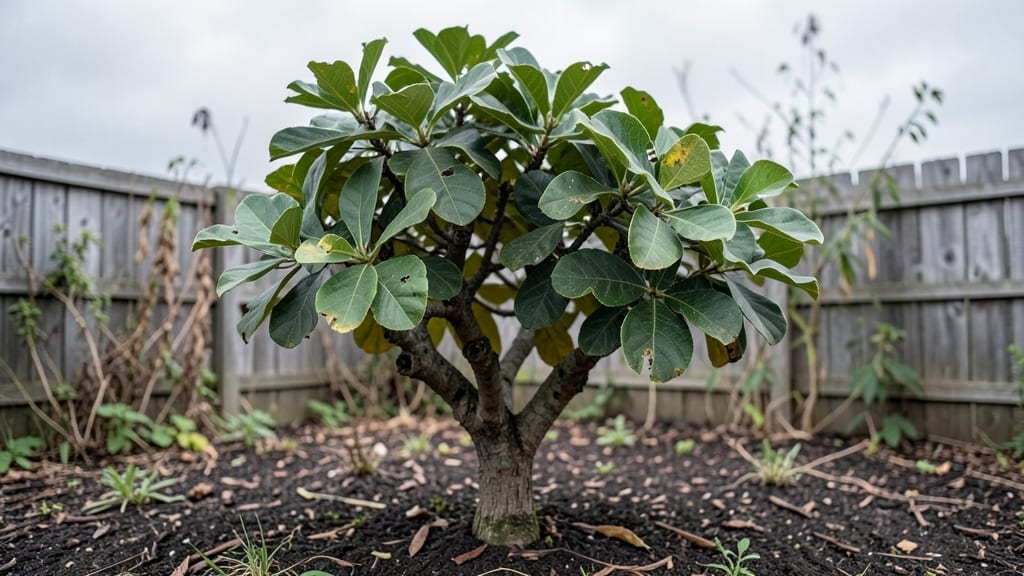
Growing sugar apple tree seeds from scratch is the only way to unlock those sweet, custard-like fruits in your own backyard. 🌱 I’ve started three from seed, and the first harvest—just two years later—was worth every bit of patience.
These tropical trees aren’t just rewarding; they’re surprisingly adaptable if you get the early care right.
The secret starts with fresh seeds, warm soil, and a spot that mimics their native humidity. You’ll need a small pot, well-draining soil mix, and a way to keep temperatures above 65°F—no greenhouse?
A sunny windowsill or heat mat works just fine. Most people overlook the germination phase, but keeping the soil consistently moist (not soggy) is what gets those first leaves popping in 2-4 weeks.
Once sprouted, your seedling will grow fast—12-18 inches in its first year—but needs bright, indirect light to stay sturdy. Prune leggy growth early to encourage bushiness, and by year two, you’ll be pinching off flowers to let the tree focus on roots.
That first fruit? It’ll take 3-4 years, but the creamy, pineapple-mango flavor makes the wait unforgettable.
Here’s the catch: sugar apple trees love heat and hate frost, so if you’re in Zone 10 or warmer, you can grow them outside. Cooler climates?
Keep them in containers and bring them indoors before winter. The key is consistency—these trees thrive on routine, not fuss. Ready to start your own?
📚 In This Guide
- What you need
- Instructions
- Tips and common mistakes
- Wrapping up and next steps
What you need
- ● Sugar apple tree seeds: 5–10 fresh, viable seeds (harvested from ripe fruit or purchased from a trusted supplier).
- ● Seed-starting trays or small pots: 4–6 (3–4 inches deep) with drainage holes.
- ● High-quality potting mix: 1 bag (sterilized, well-draining, and peat-based or coco coir blend).
- ● Plastic wrap or humidity dome: 1 (to retain moisture).
- ● Spray bottle: 1 (for gentle watering).
- ● Grow lights or sunny windowsill: Access to 6–8 hours of indirect light daily.
- ○ Fertilizer (optional but helpful): A balanced, water-soluble fertilizer (e.g., 10-10-10 NPK ratio) for seedlings.
- ● Larger containers or garden bed: 1–2 (15+ gallons or a well-prepared plot in USDA Zones 10–12).
- ● Mulch: Organic (e.g., wood chips or straw) to retain moisture and regulate soil temperature.
- ● Pruning shears: 1 pair (sterilized, sharp for future maintenance).
- ● Support stakes or trellis: 2–3 (if growing in containers or windy areas).
Step-by-Step instructions for growing sugar apple trees from seeds
Here's how I transform those glossy seeds into thriving tropical trees—patience and warmth are your best tools.
🌱 Step 1: Extract and Prepare the Seeds
Sugar apple seeds are encased in a thick, fibrous pulp that slows germination. Start by scooping out the seeds from a fresh fruit and rinsing them under lukewarm water to remove any remaining flesh. Place the cleaned seeds in a paper towel and fold it to create a moist, enclosed packet—this mimics the humid conditions of their tropical origin.
Seal the packet with a rubber band and place it in a plastic bag to retain moisture. Store it in a warm location (75-85°F), like on top of your refrigerator or near a sunny window. Check daily and mist with water if the towel feels dry to the touch. You'll see the first signs of sprouting in 2-4 weeks—tiny white roots emerging from one end.
🪴 Step 2: Plant Sprouted Seeds in Germination Trays
Once the roots are ½ inch long, it's time to plant. Fill a 4-inch nursery pot with a well-draining seed-starting mix (avoid garden soil—it’s too dense for tender roots). Make a small hole with your finger, about ½ inch deep, and gently place the seed root-first into the soil. Cover lightly with additional mix, pressing down just enough to secure it without compacting.
Water gently until the soil feels uniformly moist but not soggy. Place the pot in a humid propagator or under a clear plastic dome to maintain high humidity. Keep it in bright, indirect light—direct sun at this stage can scorch the delicate seedlings. You'll notice the first true leaves (not the initial seed leaves) emerge in 4-6 weeks, signaling it's time to transition to individual pots.
☀️ Step 3: Transition to Individual Pots and Gradual Sun Exposure
When seedlings reach 4-6 inches tall with 3-4 sets of true leaves, transplant them into 6-inch pots filled with a light, airy potting mix amended with perlite for drainage. Handle the seedlings by their leaves, not the stems, to avoid damage. Water thoroughly after transplanting to help settle the roots into their new home.
Begin introducing direct sunlight gradually—start with 2-3 hours daily and increase by 1 hour weekly to prevent shock. Sugar apple trees thrive in full sun (6+ hours), but their young leaves can burn if exposed too quickly. You'll know they're adapting well when the foliage darkens to a rich, glossy green and new growth appears consistently.
💧 Step 4: Maintain Optimal Growing Conditions
Keep the soil evenly moist but never waterlogged—sugar apple trees prefer humidity but roots rot in standing water. Water when the top inch of soil feels dry, and always use room-temperature water to avoid shocking the roots. Mist the leaves 2-3 times weekly to replicate tropical conditions, especially in dry climates.
Fertilize lightly every 4-6 weeks with a balanced, water-soluble fertilizer (10-10-10) diluted to half-strength. Over-fertilizing can burn the roots, so less is more. By 12 months, your seedlings should be 3-4 feet tall with a sturdy trunk—ready for their final outdoor home or a large container if you're growing in a temperate zone.
⏰ Step 5: Prepare for Outdoor Planting or Large-Container Growth
If you're planting outdoors in a tropical or subtropical climate, choose a location with well-draining soil and protection from strong winds. Sugar apple trees need 6-8 hours of sunlight daily and temperatures above 60°F to thrive. In cooler regions, grow them in 15-gallon containers and overwinter indoors near a sunny window.
Hardening off is critical—gradually expose potted trees to outdoor conditions over 2-3 weeks before permanent placement. Watch for leaf drop or wilting as signs they need more time to adjust. Once established, your sugar apple tree will reward you with fragrant white flowers and sweet, custard-like fruit in 3-5 years, depending on growing conditions.
Tips & tricks for growing sugar apple trees from seeds
Growing sugar apple trees from seeds rewards patience with tropical fruit trees that can thrive for decades—here's how to maximize your success from the very first step.
Temperature and Humidity Control: Maintaining that 75-85°F range during germination is non-negotiable—these tropical seeds won't sprout in cooler conditions. I've found placing the sealed paper towel packet on top of the refrigerator (where it stays consistently warm) works better than near windows that fluctuate with outdoor temps. For extra humidity, place a small tray of water near the packet or use a humidity dome if available. The goal is to mimic the steamy tropical forest floor where these trees naturally grow.
Root Development Watch: In Step 2, when you're checking for ½-inch roots, look for both length and thickness. Thin, wiry roots aren't ready—wait until you see at least two healthy roots that feel sturdy when gently touched. I've planted too early before and the seedlings struggled. Also, avoid overwatering at this stage—the soil should feel like a damp sponge, not a soggy washcloth.
Gradual Sunlight Transition: The 2-3 hours daily sunlight introduction in Step 3 is crucial for preventing sunburn on delicate seedlings. I recommend starting with morning sun only, as the intensity is gentler. Watch for leaves that look pale or have crispy edges—they're begging for more gradual acclimation. Once you reach 6+ hours of sunlight in Step 5, you'll notice the leaves develop that signature glossy green color that indicates healthy photosynthesis.
Fertilizer Strategy: When you begin fertilizing every 4-6 weeks in Step 4, I suggest starting with half the recommended dose for the first application. Sugar apple seedlings are sensitive to salt buildup from fertilizers, and too much too soon can stunt growth. Always water thoroughly after fertilizing to help distribute nutrients evenly and prevent root burn. The diluted 10-10-10 ratio gives balanced nutrition without overwhelming the young plants.
Pro Tips for Sugar Apple Tree Seeds
- Growing sugar apple trees from seeds rewards patience with tropical fruit trees that can thrive for decades—here's how to maximize your success from the very first step.
- Temperature and Humidity Control: Maintaining that 75-85°F range during germination is non-negotiable—these tropical seeds won't sprout in cooler conditions.
- Root Development Watch: In Step 2, when you're checking for ½-inch roots, look for both length and thickness.
Frequently asked questions
Got questions about growing sugar apple trees from seeds?
You’re not alone! Here are answers to the most common concerns—from germination to troubleshooting—so you can grow your tropical fruit tree with confidence.
How long does it take for sugar apple tree seeds to germinate?
Germination can take anywhere from 30 to 90 days—patience is key! Keep the soil consistently moist (not soggy) and warm (70–85°F). Pre-soaking seeds for 24 hours in warm water may speed up the process. If nothing sprouts after 3 months, the seeds may be non-viable or need a fresh batch.
When is the best time to plant sugar apple seeds indoors vs. outdoors?
Start seeds indoors 8–12 weeks before your last frost (spring) in a warm, sunny spot. Transplant seedlings outdoors only after the soil warms to 60°F+ and all frost risk has passed. In tropical climates, direct-sow seeds outdoors in late spring or early summer for best results.
Can I grow a sugar apple tree from store-bought fruit seeds?
Yes, but results vary! Seeds from fresh, organic fruit have the highest success rate. Avoid seeds from wax-coated or hybrid fruits—these may not sprout well. For faster, more reliable growth, opt for nursery-grown saplings if possible.
Why aren’t my sugar apple seedlings growing? Troubleshooting tips.
Common issues and fixes:
- Leggy or weak seedlings: Provide 12+ hours of bright light (grow lights help!).
- Yellow leaves: Overwatering or poor drainage—let soil dry slightly between waterings.
- No sprouts after 2 months: Test seed viability by cutting open a seed—look for a firm, white center. If mushy or dark, replace seeds.
- Pests (fungus gnats, aphids): Use neem oil or insecticidal soap. Keep humidity moderate.
Do sugar apple trees grow well in containers? What’s the ideal pot size?
Sugar apple trees thrive in large containers (15+ gallons) with drainage holes. Choose a wide, shallow pot to accommodate their sprawling roots. Use a well-draining mix (60% potting soil, 30% perlite, 10% compost) and repot every 2–3 years in spring.
Wrapping up and next steps
Growing a sugar apple tree from seeds is a rewarding journey that brings tropical flavors to your backyard! With the right soil, sunlight, and patience, you’ll soon enjoy fragrant, sweet fruit year-round.
Whether you’re a seasoned gardener or just starting, every small step—like proper pruning and seedling care—brings you closer to a bountiful harvest.
Ready to take the next step? Start by planting those seeds today! Share your progress with fellow gardeners, experiment with different growing techniques, and watch your sugar apple tree thrive. 🌱✨