
Trees
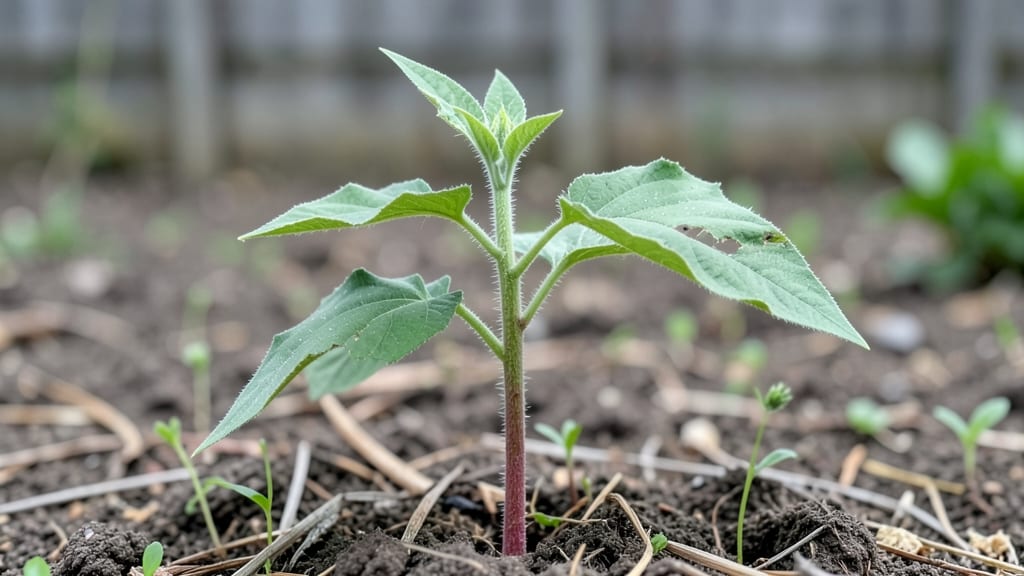
Mastering sunflower seedling identification early means you’ll never pull up those fuzzy little mittens by accident—those two rounded cotyledons are your first clue. 🌱 that often have jagged edges or single leaves.
As they grow, watch for the lobed leaves that appear next, with deep indentations that look like someone pinched the edges. By the time they're 4-6 inches tall, the stem will be sturdy and hairy, while most weeds stay thin and smooth.
I once pulled a sunflower thinking it was a dandelion—until it shot up to 12 feet!
Seedlings typically emerge in 7-14 days after planting, depending on soil warmth. The key is checking the soil surface daily once germination starts—you'll spot the first true leaves (the lobed ones) within another week. Proper spacing now means fewer fights for sunlight later.
This method works for both single-stem and branching varieties, though the early stages look identical. Confusion usually happens with ragweed or pigweed, which lack the fuzzy stems and lobed leaves. Keep an eye out, and you'll never mistake a sunflower for a weed again.
Root Causes of Misidentification
Sunflower seedlings can be surprisingly tricky to pinpoint, especially for beginners. Misidentification often stems from a mix of biological quirks, environmental factors, and human error.
Understanding these root causes will help you spot the subtle (and not-so-subtle) clues that distinguish sunflower seedlings from lookalikes like thistles, dandelions, or even young corn plants. Let’s break down why confusion happens—and how to avoid it.
Sunflower seedlings (Helianthus annuus) start life looking nothing like their mature, towering counterparts. Their first true leaves (cotyledons) are small, rounded, and often lobed—easy to mistake for weeds like purslane or chickweed. Here’s why this happens:
- Seedling vs. Mature Leaf Shape: - True leaves (the second set) emerge in a lance-shaped, toothed pattern, but these don’t appear until 7–14 days after germination.
Before that, the cotyledons (seed leaves) are broad and heart-shaped, mimicking common weeds. - Actionable fix: Wait for the first true leaves to appear—they’re the gold standard for ID. If you’re unsure, snap a photo and compare it to a sunflower seedling growth chart.
- Slow Unfolding: Sunflower leaves emerge in a spiral pattern (phyllotaxy) and unfold from the bottom up.
This gradual process can make seedlings look stunted or deformed, especially in cool or cloudy weather. - Pro tip: Use a magnifying glass to inspect leaf veins and edges—sunflower leaves have prominent parallel veins and saw-tooth edges, unlike smooth-edged weeds.
Stress from poor soil, pests, or weather can warp sunflower seedlings, making them resemble diseased or damaged plants. Here’s how to tell the difference:
- Overwatering or Compacted Soil: - Symptoms: Yellowing leaves, stunted growth, or blackened stems (root rot). - Why it happens: Sunflowers hate soggy soil.
Excess moisture suffocates roots, while compacted soil restricts nutrient uptake. - Fix: Plant in well-draining soil with a mix of sand or perlite. If seedlings are already struggling, loosen the soil gently around the base (but avoid damaging the taproot).
- Pest Damage (Not Just Sunflowers!): - Culprits: Aphids, cutworms, or slugs can chew leaves into irregular, jagged shapes, mimicking fungal spots. - Key difference: Pest damage is often localized (e.g., holes in leaves) while disease spots are uniform and spread across the leaf. - Action: Inspect the underside of leaves for pests.
Use neem oil or diatomaceous earth for organic control.
- Temperature Shocks:
- Cold snaps can cause purple or yellow discoloration on leaves, making seedlings look weak or sickly.
- Solution: Use row covers or wait until soil temps stay above 50°F (10°C) before planting.
Many gardeners assume bigger = mature, but sunflower seedlings grow exponentially. Here’s how to avoid overestimating (or underestimating) their age:
- The "Weed vs. Seedling" Trap: - Thistles and dandelions often sprout before sunflowers, creating a false sense of competition. - Key ID clue: Sunflower stems are hairless and smooth, while thistles have spiky, prickly stems. - Quick test: Gently pinch the stem.
Sunflower stems snap cleanly; thistle stems resist and tear.
- Overcrowding Confusion:
- If seedlings are planted too close, they’ll grow leggy and weak, resembling bolting lettuce or wild mustard.
- Fix: Thin seedlings to 12–18 inches apart once they hit 4–6 inches tall. This encourages stronger, bushier growth.
- Light Deprivation:
- Shady spots cause seedlings to stretch toward light (etiolation), making them look frail or deformed.
- Solution: Provide full sun (6+ hours/day). If indoors, use grow lights 12–14 hours/day.
Sunflowers aren’t the only plants with lance-shaped leaves—depending on where you live, you might confuse them with:
| Lookalike Plant | Key Difference | How to Spot It |
|---|---|---|
| Corn (Zea mays) | Leaves are longer, straighter, and lack teeth. | Corn seedlings have a swollen base (coleoptile). |
| Dandelion (Taraxacum) | Leaves are toothed but deeply lobed like a lion’s mane. | Dandelions have milky sap when cut. |
| Chicory (Cichorium) | Leaves are narrower and more blue-green. | Chicory has a bitter taste (test with caution!). |
| Russian Thistle (Salsola) | Stems are branched and spiky. | "Tumbleweeds" have tiny, scale-like leaves. |
- Regional note: In warmer climates, Jerusalem artichoke tubers can sprout leaves resembling sunflowers—but they’re deeper green and more waxy.
- Action: If in doubt, dig up the taproot. Sunflower roots are thick and fleshy; weed roots are thin and fibrous.
One of the biggest causes of misidentification? Not tracking planting dates. Sunflowers take 8–10 days to germinate, and their first true leaves appear at ~10–14 days.
If you forget when you planted them, you might: - Pull them by mistake, thinking they’re weeds. - Over-fertilize, since seedlings are sensitive to high nitrogen (use a balanced 10-10-10 instead).
Solution: Keep a simple garden journal with: ✅ Planting date ✅ Seed packet details (variety, days to germination) ✅ Photos of early growth stages (for comparison)
Misidentification usually boils down to one (or all) of these:
- Not waiting for true leaves (cotyledons ≠ definitive ID).
- Ignoring stem and root structure (sunflowers have unique taproots).
- Assuming all toothed leaves are sunflowers (many weeds mimic this).
- Skipping the soil/pest check (stress = false alarms).
Remember: Sunflowers are resilient—if you’ve ruled out pests/disease and the leaves are toothed, lance-shaped, and hairless, you’re likely looking at a baby sunflower. Give it time, and those iconic yellow blooms will follow! 🌻
Fixing Common Seedling Struggles
Now that you’ve spotted the clues, let’s tackle the challenges that might be holding your sunflower seedlings back. Below, we’ll break down the most common issues—from stunted growth to strange leaf patterns—and provide practical, step-by-step fixes to get your seedlings thriving. Prevention tips are included to keep future batches healthy!
Signs: Leaning stems, yellowing leaves, or seedlings that look "starved" despite good soil.
🔧 Fix It:
- 🔥 Thin Them Out Early
- Use clean scissors (or your fingers) to snip seedlings at the base, leaving the strongest 2–3 per pot (or 12–18 inches apart in the ground).
- Why? Overcrowding competes for nutrients, water, and light—critical for sunflowers’ rapid growth.
- 🍳 Repot or Transplant
- If seedlings are in small containers, move them to 5–6 inch pots with fresh potting mix (sunflowers hate root-bound stress).
- Pro Tip: 💡 Hardening off (acclimating to outdoor conditions) should happen after thinning to avoid transplant shock.
🛡️ Prevention:
- Sow seeds 1–2 inches apart in rows spaced 2–3 feet apart (for giant varieties, allow even more room).
- Use biodegradable pots if direct sowing to avoid disturbing roots later.
Signs: Tall, thin stems with small, pale leaves—sunflowers reaching desperately for sunlight.
🔧 Fix It:
- 👨🍳 Rotate Pots Daily
- Place seedlings near a south-facing window (or under grow lights) and rotate the pot ¼ turn every 24 hours. This prevents lopsided growth toward the light source.
- 🥘 Fertilize Lightly
- Add a balanced, water-soluble fertilizer (like 10-10-10) at half-strength when true leaves appear. Sunflowers need phosphorus and potassium for sturdy stems.
- Avoid: Over-fertilizing with nitrogen—it promotes leafy growth but weakens stems.
- 🔪 Prune Strategically
- If stems are severely weak, trim the top 1–2 inches above a leaf node. This encourages bushier, stronger side growth (though sunflowers may bolt faster).
🛡️ Prevention:
- Start indoors 7–10 days before the last frost, using grow lights 12–14 hours/day.
- Use reflective surfaces (like aluminum foil on windows) to bounce extra light into the space.
Signs: Pale leaves, curled edges, or tiny holes—often confused with sunflower rust or aphids.
🔧 Fix It:
| Cause | 🔧 Solution | 🛡️ Prevention |
|---|---|---|
| Nitrogen Deficiency | Mix 1 tbsp compost or fish emulsion into water and feed weekly. | Use well-aged compost in soil. |
| Overwatering | Let soil dry 1–2 inches deep between waterings. Ensure pots have drainage. | Use well-draining soil (60% potting mix + 40% perlite). |
| Aphids/Spider Mites | Spray with neem oil (1 tsp per quart of water) or soapy water (1 tbsp mild soap + 1L water). | Introduce ladybugs or predatory mites. |
| Fungal Disease | Remove infected leaves, treat with copper fungicide, and avoid overhead watering. | Space plants for air circulation; water at the base. |
💡 Pro Tip: 🌡️ If leaves feel damp and mushy, it’s likely damping-off fungus. Switch to a sterilized seed-starting mix and avoid wetting foliage.
Signs: Seeds remain dry and hard, or only a few (or none) sprout after 10+ days.
🔧 Fix It:
- 🔥 Check Moisture & Temperature
- Sunflower seeds need consistent moisture (like a damp sponge) and warmth (70–80°F) to germinate.
- Quick Fix: Place pots in a seedling heat mat or on top of the fridge (where it’s warm).
- 🍳 Test Seed Viability
- Fill a glass with water, add seeds. Floating seeds = dead; sinking seeds = viable (plant these!).
- ⏰ Be Patient (But Not Too Patient)
- Germination takes 7–14 days. If no sprouts appear after 2 weeks, try fresh seeds.
🛡️ Prevention:
- Soak seeds in warm water for 4–6 hours before planting to soften the hull.
- Direct-sow after frost (sunflowers hate cold soil). Wait until soil is at least 55°F.
Final Reminder: Sunflowers are forgiving but fast—once you spot issues early, they rebound quickly! 🚀 Keep an eye on those leaf shapes and stem strength, and your seedlings will be reaching for the sky in no time.
Frequently asked questions
How do I tell sunflower seedlings apart from weeds in their earliest stages?
Look for the cotyledons—the first leaves that appear. Sunflower seedlings have rounded, fuzzy-edged cotyledons with jagged lobes, while most weeds have smooth, heart-shaped leaves. The key is waiting for true leaves (the second set) which are lance-shaped with saw-tooth edges—this is the definitive ID.
Why do my sunflower seedlings look like they’re struggling even though I planted them in good soil?
Sunflowers often show stress from overcrowding or nutrient imbalances. Thin seedlings to 12–18 inches apart once they reach 4–6 inches tall, and avoid high-nitrogen fertilizers—sunflowers need phosphorus and potassium for strong stems. Check for pests like aphids (tiny holes in leaves) or fungal spots (uniform yellow patches).
How long does it take for sunflower seedlings to emerge after planting?
Germination usually takes 7–14 days in warm soil (70–80°F). If you don’t see sprouts after 2 weeks, check seed viability by floating them in water (sinking = good, floating = dead). For faster germination, soak seeds in warm water for 4–6 hours before planting.
What’s the best way to prevent sunflower seedlings from getting leggy?
Leggy seedlings result from light deprivation. Place them near a south-facing window or under grow lights (12–14 hours/day), and rotate pots ¼ turn daily to prevent leaning. Use reflective surfaces (like aluminum foil) to bounce extra light into the space. Once outdoors, ensure they get full sun (6+ hours/day).
Can I transplant sunflower seedlings if they’re already 6 inches tall?
Yes, but do it carefully! Sunflowers have deep taproots, so avoid disturbing them too much. Harden off seedlings first (5–7 days of outdoor exposure), then transplant on a cloudy day or in late afternoon. Water deeply after transplanting to reduce shock. For best results, thin seedlings to 12–18 inches apart to give them room to grow.